Peptides, with the paperwork.
Every vial leaves here with its lot number, its purity figure and a certificate drawn from that lot. None of the pages tell you what the substance does to a person, and that is deliberate.
The catalogue
Filter by family. Two lines are listed but not sold, and the reason is on the card.
What is in the box
Three things, and one of them is a piece of paper.
The certificate for that lot
Purity by HPLC, observed mass against the calculated weight, water content, appearance, and the date the sample was drawn. Not a generic sheet for the product line.
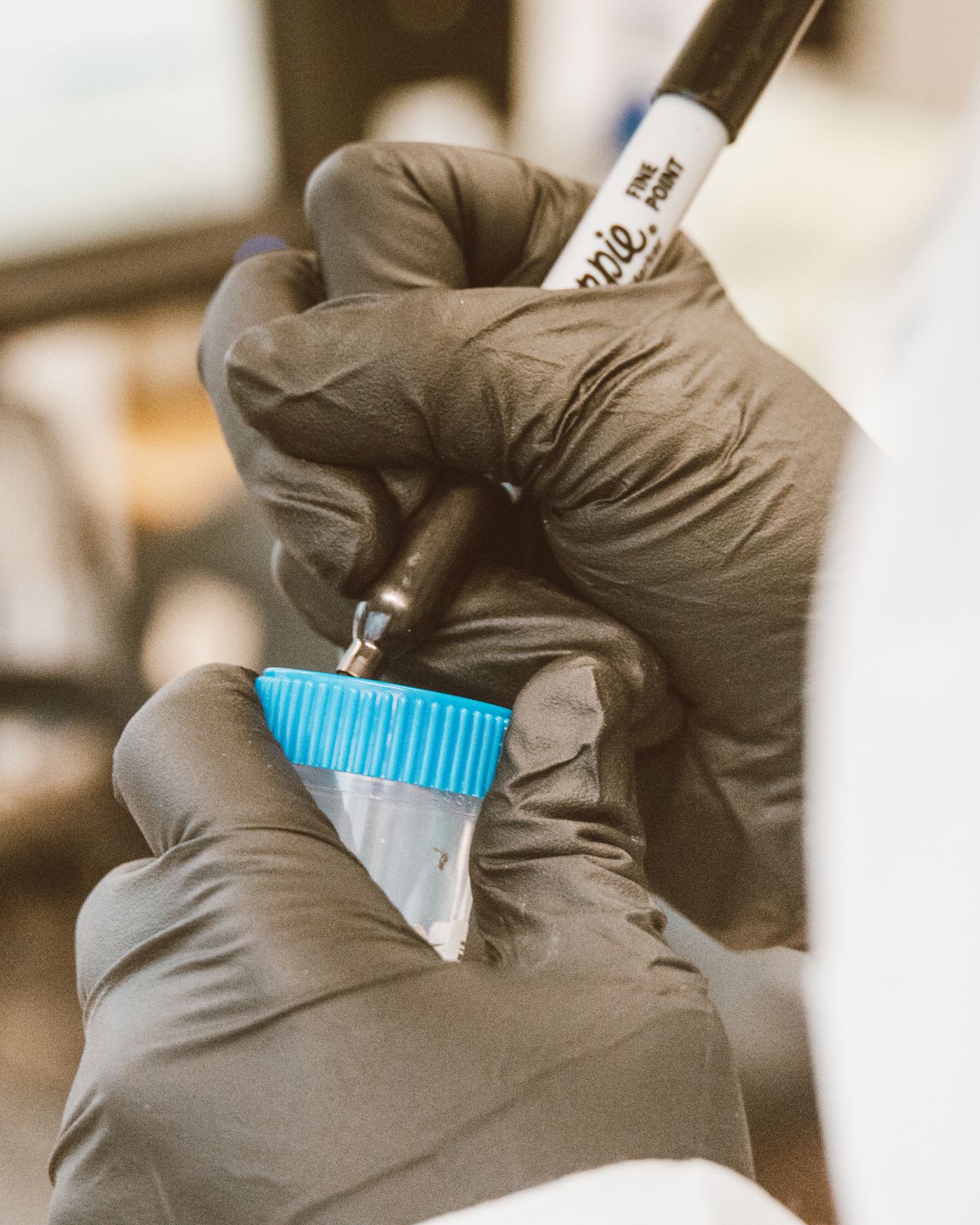
A label that says almost nothing
Name, formula, molecular weight, lot, and one line about research use. No indication, no dose, no route. A label is the first thing a regulator reads.

Cold, boxed, tracked
Packed on ice with the lot sheet in the box, so what arrives can be matched against what was released without emailing anybody.
The copy is the compliance.
FDA does not certify a website. It reads one. In the letters it has sent to peptide sellers it quotes the product description, the blog post, the picture on the blog post and a customer review, and then explains what those sentences added up to.
Despite statements on your product labeling marketing your products for “research purposes only” and “not for human consumption or clinical use,” evidence obtained from your website establishes that your products are intended to be drugs for human use.
FDA warning letter 695156, 10 December 2024So no sentence reaches a page here before it has been through the same check the agency applies. The check is not a secret. Run it on anything you like.
Open the review